
Blog
Takeout Containers for Restaurants: The Complete Buying Guide
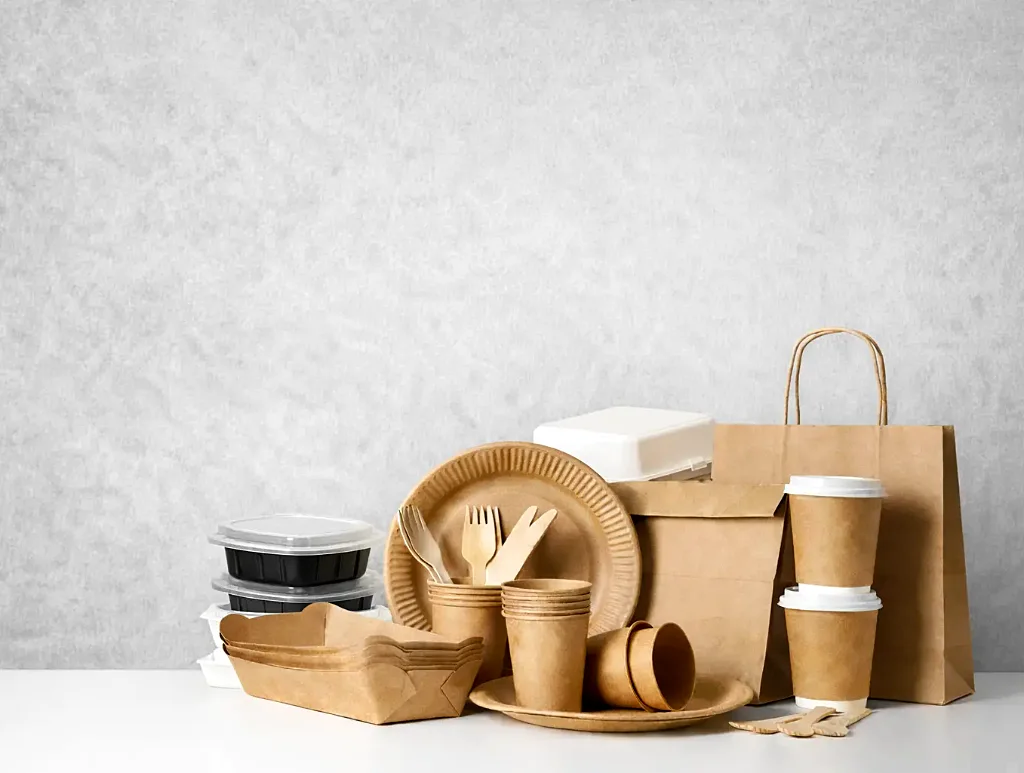
Your food can be perfect when it leaves the kitchen and still arrive as a disappointment. Soggy fries, leaked sauce, a crushed burger, a lid that popped open in the delivery bag: almost every one of those complaints is a packaging problem, not a cooking problem. Choosing the right takeout containers for your restaurant protects the meal, protects your reviews and, when you buy the right sizes in the right quantities, protects your margin too.
This guide walks through the main types of takeout containers, the materials they are made from, how to match a container to each dish on your menu, and how to buy in bulk without tying up cash or storage space. It is written for independent restaurants, cafés, food trucks and caterers, with a few notes that apply specifically to businesses in California.
Why the right takeout container matters more than ever
Takeout and delivery are no longer a side business. For many small restaurants they make up a large share of weekly sales, which means the container is often the only ‘plate’ your customer ever sees. A good container does four jobs at once:
- Holds temperature. Hot food should still be hot after a 20 minute drive, and cold food should not sweat into a puddle.
- Controls moisture. Fried and crispy foods need a way for steam to escape. Saucy foods need a tight seal.
- Survives the trip. Containers get stacked, tilted and squeezed into bags. Weak walls and loose lids fail here.
- Presents the food well. A clear lid or a clean, sturdy base makes the same meal look like it is worth more.
When one container cannot do all four jobs for a dish, that is your sign to use a different style for that menu item rather than forcing one container to fit everything.
The main types of takeout containers
1. Hinged (clamshell) containers
Hinged containers are the workhorse of takeout. The lid is attached to the base, so there is nothing to match up during a rush and nothing to lose. They are ideal for burgers, sandwiches, wraps, fried chicken, combo plates and anything that is plated once and closed. Common footprints are 6×6 for sides and sandwiches, 9×6 for single entrées and 9×9 for full plates, with one or three compartments.
Vented versions let steam escape so fried foods stay crisp. If you serve a lot of rice plates or combination meals, a three compartment 9×9 keeps the main, the starch and the side from running together. You can browse our full range of hinged takeout containers, including the popular Sunset 9×6 hinged takeout container.
2. Microwaveable containers with separate lids
These are the black base, clear lid containers customers recognise from meal prep and Asian takeout. They are usually made from polypropylene, which handles heat well, so the customer can reheat leftovers in the same container. The snap on lid gives a much tighter seal than a clamshell, which makes this style the safer choice for curries, pasta with sauce, stir fry, rice bowls and anything with gravy.
Rectangular sizes between 24 oz and 38 oz cover most single entrées, and compartment versions work well for meal prep and combo plates. Two reliable options are the 38 oz rectangular microwaveable container with lid and the round 24 oz Asian style bowl with lid for noodle, poke and rice dishes.
3. Deli containers
Round, clear deli containers are the most flexible item in any kitchen. The three standard sizes, 8 oz, 16 oz and 32 oz, usually share one lid size, so you only need to stock a single lid. Use them for soups, sauces, salsas, salads, cut fruit, sides and back of house prep storage. Because they are clear, staff can see what is inside without opening them, and customers can see exactly what they are buying in a grab and go cooler.
See all sizes in our deli containers category, or go straight to the 32 oz clear deli container with lid if soup and family size sides are a big part of your menu.
4. Aluminum pans
For catering, family meals and anything that needs to go into an oven, aluminum is still the standard. Full size and half size steam table pans fit standard chafing racks, hold heat for a long time and can go from oven to table. Smaller foil pans work well for lasagna, enchiladas, baked pasta and take and bake items. Pair them with board or plastic dome lids so they stack safely in a vehicle.
Our aluminum pans and lids include the full size deep heavy duty steam table pan that most caterers build their setups around.
5. Pizza boxes and paper products
Corrugated pizza boxes insulate well and absorb a little moisture, which is exactly what a pizza needs. Order the box size that matches your pie: a 14 inch pizza sliding around a 16 inch box arrives with the toppings on one side. Paper bags, food trays and catering boxes round out the paper side of your packaging. You will find 10, 12, 14 and 16 inch options in our pizza boxes category.
6. Cups, lids and cutlery
Drinks and utensils are part of the takeout package too. Match every cup to a lid that actually fits (lid diameters differ between brands), add sleeves for hot drinks, and keep both medium weight and heavy weight cutlery on hand so a steak plate does not go out with a flimsy fork. Shop cups and lids and disposable cutlery alongside your containers so everything arrives in one delivery.
Takeout container materials compared
The material decides how a container handles heat, grease and moisture, and it also affects price. Here is a plain comparison of the materials you will see most often.
| Material | Best for | Strengths | Watch out for |
|---|---|---|---|
| Polypropylene (PP) | Hot entrées, saucy dishes, meal prep | Handles heat well, usually microwaveable, tight lids | Costs more than thin clamshells |
| PET (clear plastic) | Cold foods, salads, desserts, deli items | Crystal clear, great presentation | Not for hot food or microwaves |
| Aluminum | Catering, oven ready and baked dishes | Oven safe, holds heat, strong | Not for microwaves, can dent |
| Paper and corrugated board | Pizza, sandwiches, fried and dry foods | Breathes, insulates, easy to brand | Weak with heavy sauces unless lined |
| Molded fiber (bagasse) | Hot plates, bowls, eco focused menus | Sturdy, grease resistant, plant based | Lids are less clear, price varies |
A quick way to tell plastics apart is the small recycling number on the base. Number 5 is polypropylene, the one you want for hot food. Number 1 is PET, which is meant for cold food. If a container is labelled microwaveable by the manufacturer, you can pass that on to customers with confidence. If it is not labelled, do not assume.
A note for California restaurants about foam
For years, foam clamshells were the cheapest option on the shelf. That has changed in California. Under the state’s packaging law, SB 54, producers of expanded polystyrene (EPS) foam food service ware had to show a 25% recycling rate by January 1, 2025 in order to keep selling it in the state. According to CalRecycle, that rate was not met, so producers can no longer sell or distribute EPS foam food service ware in California. You can read the official explanation on the CalRecycle EPS food service ware page.
In practical terms, if your menu still depends on foam containers or foam cups, now is the time to move to polypropylene, paper, molded fiber or aluminum. The good news is that the alternatives generally perform better: they seal tighter, most plastic versions can be reheated, and they look more professional in the customer’s hands. This article is general information, not legal advice, so check CalRecycle or your local environmental health office for questions about your specific situation.
How to match the container to the food
The simplest method is to go through your menu dish by dish and ask three questions: Is it hot or cold? Is it wet or dry? Does it need to stay crisp? The answers point to a container almost every time.
| Menu item | Recommended container | Why it works |
|---|---|---|
| Burgers, sandwiches, wraps | 6×6 or 9×6 hinged container | Fast to close, protects shape |
| Fried chicken, fries, tempura | Vented hinged container or paper box | Lets steam out so food stays crisp |
| Rice plates and combo meals | 9×9 three compartment hinged or compartment PP container | Keeps sauces away from sides |
| Curries, pasta, stir fry | Rectangular PP container with snap lid | Leak resistant and reheatable |
| Noodle bowls, poke, pho solids | 24 oz or 34 oz round bowl with lid | Deep shape, easy to eat from |
| Soups, broths, sauces | 16 oz or 32 oz deli container | Tight lid, stacks well |
| Salads and cold sides | Clear deli container or clear bowl | Shows freshness, no heat needed |
| Dressings, salsa, dips | Small portion cup or ramekin with lid | Keeps wet items separate until eating |
| Catering trays, baked dishes | Half or full size aluminum pan with lid | Oven safe, fits chafing racks |
| Pizza | Corrugated box sized to the pie | Insulates and absorbs moisture |
Two small habits make a big difference. First, pack wet and crisp items separately whenever you can: sauce on the side in a portion cup keeps a sandwich or a fried item in good shape. Second, do not overfill. A container filled to the rim will leak no matter how good the lid is. Leave a little head space, especially for soups.
Choosing the right sizes without overstocking
New restaurants often buy too many different containers. Every extra size is another case to store, another item to run out of and another decision for a busy line cook. A lean setup for most menus looks like this:
- One small hinged container for sandwiches, sides and desserts.
- One large hinged or PP container for entrées.
- Deli containers in 8, 16 and 32 oz with one shared lid.
- One portion cup for sauces.
- One or two aluminum pan sizes if you cater or sell family meals.
Start with that core and add a specialty container only when a specific dish truly needs it. To check portion fit, plate your actual serving in a sample container before you commit to a full case. The food should fill roughly 80 to 90 percent of the space: fuller looks generous but leaks, emptier looks like a small portion.
How to buy takeout containers in bulk (and keep costs down)
Packaging is one of the few restaurant costs you can lower without touching food quality. A few practical rules:
- Compare cost per piece, not cost per case. A 150 count case at a higher price can be cheaper per container than a 50 count sleeve. Divide the price by the count every time.
- Know your weekly usage. Count how many takeout orders you send out in a normal week and multiply by the containers per order. Keep about two weeks of stock on hand so one busy weekend does not leave you short.
- Standardise lids. Every container line that shares a lid saves storage space and prevents the classic problem of a full case of bases with no lids that fit.
- Combine your order. Ordering containers, cups, cutlery and bags together helps you reach bulk discount levels and free delivery thresholds in one go.
- Value your own time. A trip to a cash and carry warehouse costs fuel and one to two hours of an owner or manager. Having supplies delivered is often cheaper once you count that time honestly.
At Disposable Products, there is no minimum order, so you can buy a single pack to test a container before you commit. Bulk orders save automatically at checkout: 5% off orders over $150 and 8% off orders over $300.
Restaurant supply delivery in Stockton, Tracy and nearby
If your business is in San Joaquin County, you do not need to load a cart at a warehouse to get any of the containers mentioned in this guide. We deliver restaurant supplies to your door in Stockton, Tracy and nearby cities, and local delivery is free on orders over $75. Learn more on our local delivery page, or see the details for restaurant supplies in Stockton, CA and restaurant supplies in Tracy, CA. Outside the local area, orders ship by courier.
Frequently asked questions
What is the best takeout container for hot food?
For most hot entrées, a polypropylene container with a snap on lid is the best all round choice. It handles heat, resists leaks and can usually be reheated by the customer. For fried foods, choose a vented hinged container or a paper based box so steam can escape.
Which takeout containers are microwave safe?
Containers made from polypropylene (recycling number 5) and labelled microwaveable by the manufacturer are designed for reheating. Clear PET containers and aluminum pans should not go in the microwave. Always follow the label on the product.
How do I stop takeout food from getting soggy?
Use vented containers for anything fried or crispy, pack sauces and dressings in separate portion cups, avoid sealing very hot food in an airtight container for long periods, and do not stack hot containers directly on top of cold items in the bag.
What sizes of takeout containers does a small restaurant need?
Most small restaurants can cover their menu with one small and one large entrée container, deli containers in 8, 16 and 32 oz, a portion cup for sauces and, if they cater, half and full size aluminum pans.
Can restaurants in California still use foam containers?
According to CalRecycle, producers can no longer sell or distribute expanded polystyrene foam food service ware in California because the recycling rate required under SB 54 was not met. Restaurants should plan around alternatives such as polypropylene, paper, molded fiber and aluminum.
Is it cheaper to buy takeout containers in bulk?
Yes, in most cases. Larger case counts usually have a lower cost per piece, and combining your packaging into one order helps you reach bulk discounts and free delivery.
Ready to stock up?
Pick the two or three container styles that fit your menu, check the sizes against your real portions, and order enough for about two weeks of service. You can shop all food containers or browse the full store, and if you are not sure which size fits a dish, send us a message and we will help you choose.